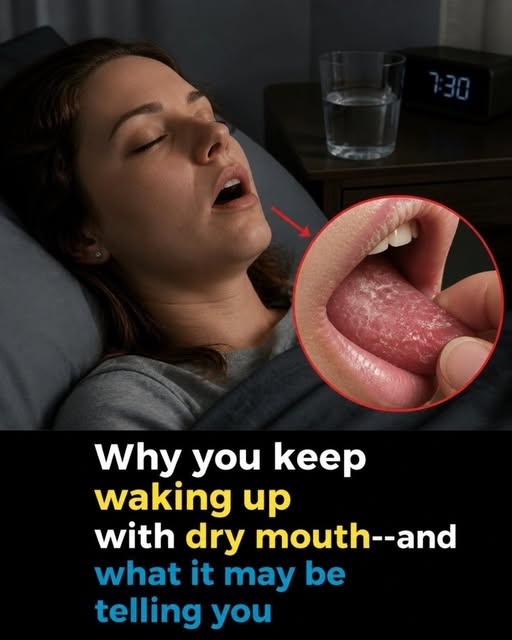
Do you also feel like a desert in your mouth when you wake up? Waking up with a dry mouth can be an uncomfortable experience for many people. The condition, known as dry mouth or xerostomia, can have various causes and impacts on oral health and overall well-being. This blog will explore the symptoms, causes, and potential treatments for morning dry mouth.
Key Takeaways:
-
- Key Signs of Dry Mouth – Dry mouth (xerostomia) is characterized by reduced saliva production, causing a sticky or dry feeling in the mouth, frequent thirst, difficulty speaking or swallowing, sore throat, bad breath, and cracked lips.
- Nighttime Symptoms Are Common – Many people notice dry mouth most strongly after waking up. Common symptoms include persistent thirst at night, a dry tongue, mouth discomfort, and difficulty chewing or swallowing due to insufficient saliva during sleep.
- Several Health Factors Trigger Symptoms – Dry mouth symptoms can result from dehydration, mouth breathing, certain medications, aging, diabetes, Sjögren’s syndrome, and sleep-related conditions such as snoring or sleep apnea that reduce moisture in the mouth.
- Untreated Dry Mouth Can Affect Oral Health – A lack of saliva increases the risk of cavities, bad breath, mouth sores, and gum problems because saliva helps wash away
-
- bacteria and protect teeth from decay.
- Early Management Helps Prevent Complications – Drinking more water, using a humidifier, chewing sugar-free gum, maintaining good oral hygiene, and consulting a dentist or healthcare provider for persistent symptoms can improve comfort and reduce long-term dental risks.
Symptoms of Dry Mouth
Dry mouth is characterized by a lack of saliva in the oral cavity. Some common symptoms of dry mouth include:
- A sticky or dry feeling in the mouth.
- Difficulty in chewing, swallowing, or speaking.
- A persistent sore throat.
- Frequent thirst, especially at night.
- Bad breath (halitosis).
- Cracked lips and sores in the corners of the mouth.
Causes of Morning Dry Mouth
Several factors can contribute to dry mouth, primarily upon waking up:
-
- Dehydration: Insufficient fluid intake, especially before bedtime, can reduce saliva production.
- Breathing Through the Mouth: People who breathe through their mouths at night due to congestion or habit may experience dry mouth.
- Medications: Many medications, including antihistamines, decongestants, and some antidepressants, can cause dry mouth as a side effect.
- Underlying Health Conditions: Conditions like diabetes, Sjögren’s syndrome, and autoimmune diseases can lead to chronic dry mouth.
- Aging: Saliva production tends to decrease as we age, making older adults more prone to dry
-
- mouth.
- Snoring or Sleep Apnea: Breathing issues during sleep, like snoring or sleep apnea, can cause mouth breathing, leading to dryness.
Common Medications That Cause Dry Mouth
Medication Category Common Examples Why It Causes Dryness Antihistamines Cetirizine, Chlorpheniramine, Loratadine Block histamine receptors that stimulate saliva Decongestants Pseudoephedrine, Phenylephrine Reduce secretions including saliva Antidepressants (TCAs, SSRIs) Amitriptyline, Fluoxetine, Sertraline Anticholinergic effects suppress salivary glands Antipsychotics Olanzapine, Clozapine, Haloperidol Strong anticholinergic activity Blood Pressure Medications Amlodipine, Atenolol, Hydrochlorothiazide Diuretic effect leads to dehydration Diuretics Furosemide, Spironolactone Increase fluid loss, reducing saliva Muscle Relaxants Cyclobenzaprine, Baclofen Anticholinergic side effects Bladder Medications Oxybutynin, Solifenacin Specifically designed to reduce secretions Parkinson’s Medications Trihexyphenidyl, Benztropine High anticholinergic activity Important: If you take any of these medications and experience dry mouth, do not stop your medication without medical advice. Speak to your prescribing doctor about possible alternatives or dosage adjustments. Your dentist can help manage the oral health consequences.
Dry Mouth at Night
Many people experience dryness of mouth specifically during sleep or upon waking, and the nighttime environment has its own set of triggers distinct from daytime dryness.Mouth Breathing: When you breathe through your mouth instead of your nose during sleep, air flows directly ove
-
-