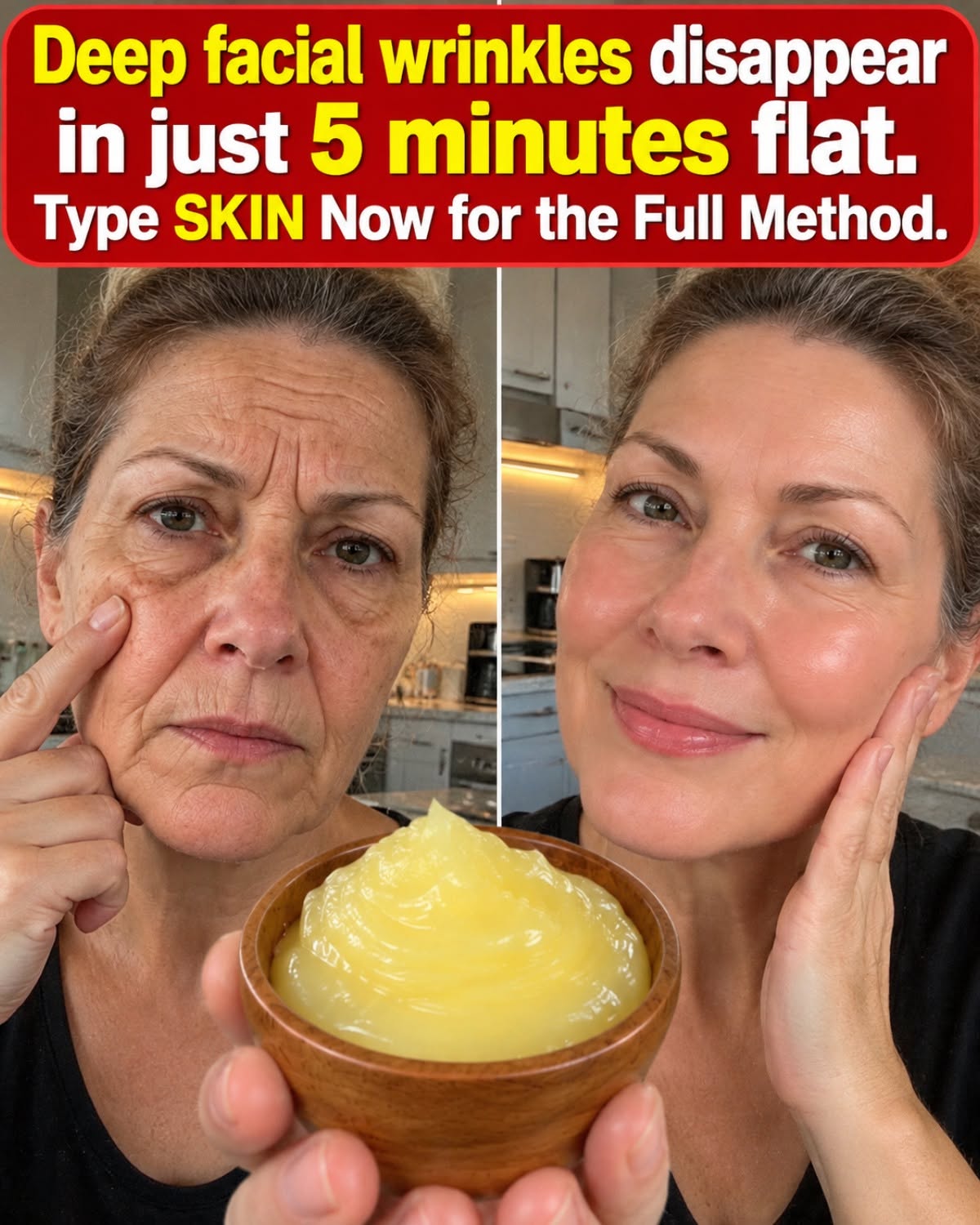
Why Women Notice It in a Different Way
For many women, the change shows up in the places that frame the whole face: laugh lines, under-eye creasing, and that dry, drawn look that makes you seem exhausted before coffee even hits your bloodstream.
Picture a morning where your foundation no longer sinks into dry grooves. The skin around the mouth looks softer. The cheeks don’t feel like they’ve been scraped thin overnight.
That is the payoff of trapping moisture before it escapes. The face doesn’t need to be flooded with heavy product. It needs a smarter surface barrier, like sealing a greenhouse before the heat leaks out.
When the skin holds water better, the whole expression changes. Not fake. Not frozen. Just less worn down.
Why Men Feel It Too
Men often notice this as roughness, not “wrinkles.” The forehead feels tight, the cheeks look weather-beaten, and the face seems to age in harsh daylight before the day has even begun.
Think of it like a leather seat left too close to the sun. The material is still there, but the surface has gone dry, stiff, and visibly stressed.
A thin barrier seal works because it doesn’t ask the skin to do more. It prevents the overnight leak so the face starts the day with more bounce and less drag.
The after-picture is simple: less morning tightness, less creasing, and a face that looks like it actually slept.
What Actually Makes the Routine Work
The order matters. Cleanse without stripping. Apply the barrier-supporting layer. Then press on a tiny amount of occlusive product only where the skin folds hardest.
That sequence matters because putting a seal over bone-dry skin is like locking a door after the room has already emptied. You keep the emptiness in place.
The better move is to give the skin raw biological fuel first, then stop the evaporation. That’s how the surface wakes up looking calmer, less papery, and far less creased.
Most people drown their face in product and wonder why it still looks rough. The winning move is precision: feed the barrier, then trap the moisture before it escapes.
The One Thing That Wrecks the Whole Process
Slapping the seal onto skin that’s already stripped dry is a dead end. If the cleanser has left your face squeaky and tight, the occlusive layer can only preserve a bad starting point.
That’s the part that sabotages the whole routine. The seal is not the meal. It’s the lid.
Use too much, and the face feels greasy and overloaded. Use too little prep, and you trap almost nothing worth keeping.
Get the sequence right, though, and the morning mirror tells the story fast: softer skin, less harsh creasing, and a face that looks rested instead of wrung out.
The next layer most people ignore is the partner ingredient that helps the barrier rebuild itself from the inside out.
This article is for informational purposes only and does not replace professional medical advice. Please consult your healthcare provider for personalized guidance.