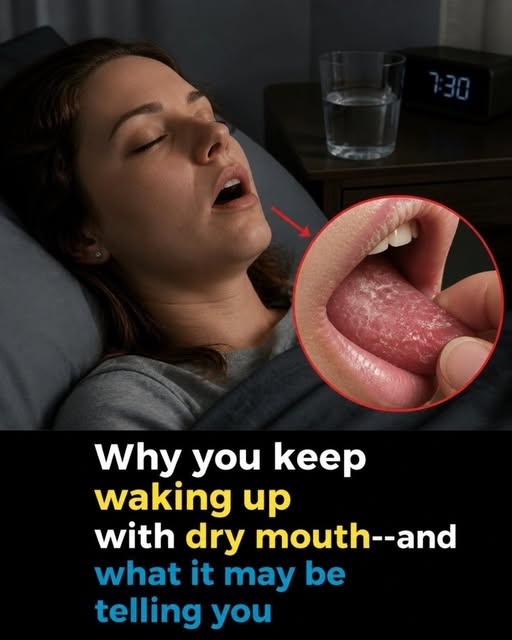
include a sticky or dry feeling in the mouth, frequent thirst, difficulty swallowing or speaking, bad breath, a rough tongue, and cracked lips.
3. What complications can arise from untreated dry mouth?
Untreated dry mouth can lead to oral health issues such as tooth decay, gum disease, mouth sores, and oral infections. It can also impact your ability to taste and digest food properly and affect your overall quality of life.
4. What can I do to alleviate dry mouth symptoms?
There are several strategies to help alleviate dry mouth symptoms, including drinking plenty of water, using saliva substitutes or oral moisturizers, chewing sugar-free gum or sucking on sugar-free candy to stimulate saliva production, avoiding tobacco and alcohol, using a humidifier at night, and practicing good oral hygiene.
5. When should I see a doctor about my dry mouth?
Seeing a healthcare professional is essential if you experience persistent dry mouth symptoms despite trying self-care measures. They can evaluate your condition, identify any underlying causes, and recommend appropriate treatment options, including adjusting, prescribing saliva-stimulating, or referring you to a specialist if necessary.
6. Why is my mouth dry at night?
Nighttime dryness of mouth is most commonly caused by mouth