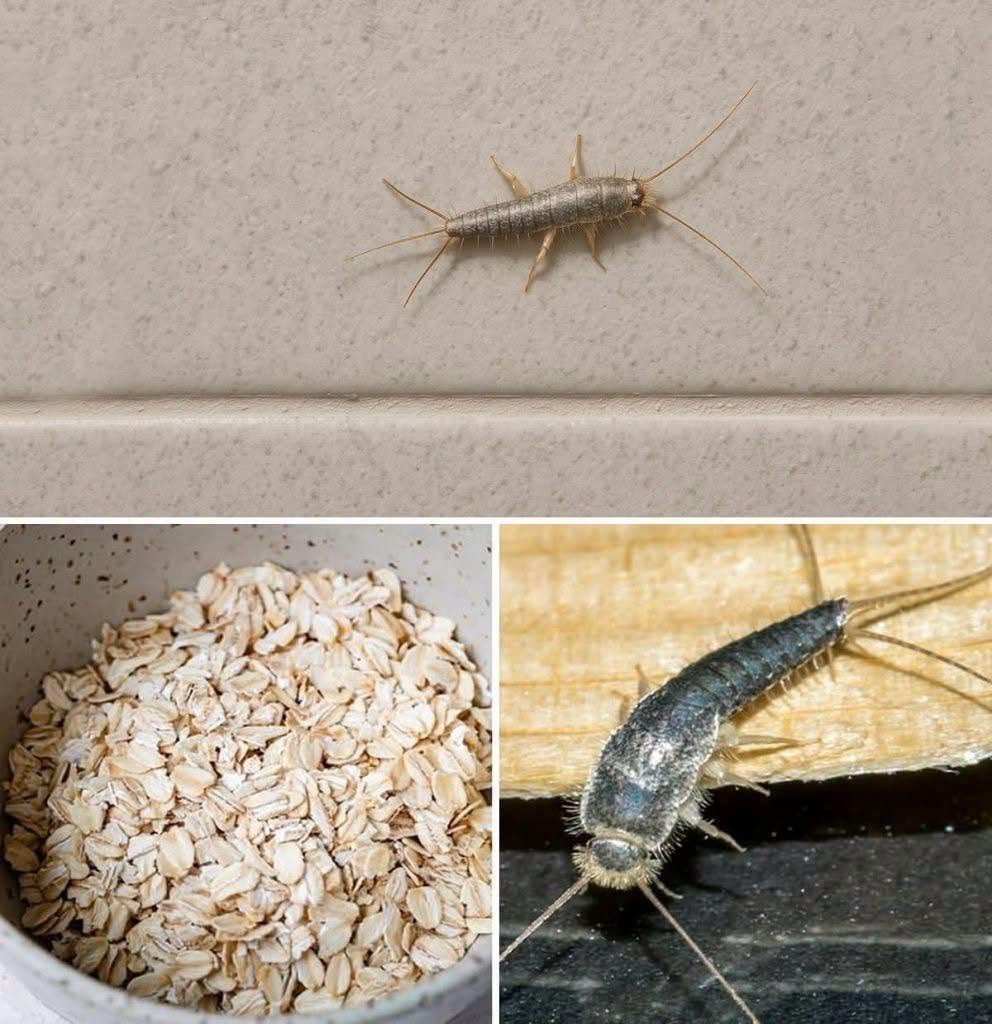
However, they can be destructive. Silverfish can damage your belongings by feeding on paper products, books, photographs, wallpaper, clothing, and stored food. If you have a large infestation, they can cause significant damage to valuable items like old books, family heirlooms, and important documents.
They can also trigger allergies in some people. The proteins in their shed skins and droppings can cause allergic reactions or asthma symptoms, especially in sensitive individuals.
So while they’re not dangerous in the “will bite me” sense, they’re definitely unwelcome guests.
Signs of a Silverfish Infestation
One silverfish doesn’t mean an infestation. But if you start noticing any of these signs, it’s time to take action.
Sightings: Seeing them regularly, especially during the day
Shed skins: Silverfish molt as they grow. You might find translucent, silvery skins in cupboards, drawers, and corners.
Feces: Tiny, black pepper-like droppings in areas where they feed
Damage: Irregular holes or yellow stains on paper, books, wallpaper, or fabric
Musty odor: A large infestation can produce a subtle, unpleasant smell
How to Get Rid of Silverfish Naturally (Without Harmful Chemicals)
Here’s what actually works.
Step 1: Identify the Source
You can’t get rid of silverfish without addressing what’s attracting them. Check for:
Leaky pipes or faucets
Poor ventilation in bathrooms and basements
Cluttered areas with cardboard or paper
Food sources left open
Step 2: Reduce Humidity
Silverfish need moisture to survive. If you dry out your home, you’ll make it uninhabitable for them.
Use a dehumidifier in damp areas
Ventilate bathrooms after showers
Fix any leaks promptly
Improve airflow in basements and attics
Step 3: Remove Food Sources
Silverfish eat paper, glue, and starch. Deny them access.
Store paper, books, and cardboard in sealed plastic containers
Keep pantry foods in airtight containers
Clean up crumbs and food spills immediately
Vacuum regularly, especially in corners and baseboards
Step 4: Seal Entry Points
Prevent them from coming in.
Caulk cracks and gaps around windows, doors, and foundations
Install door sweeps on exterior doors
Seal gaps around pipes and utility lines
⏬️ Continued on the next page ⏬️